
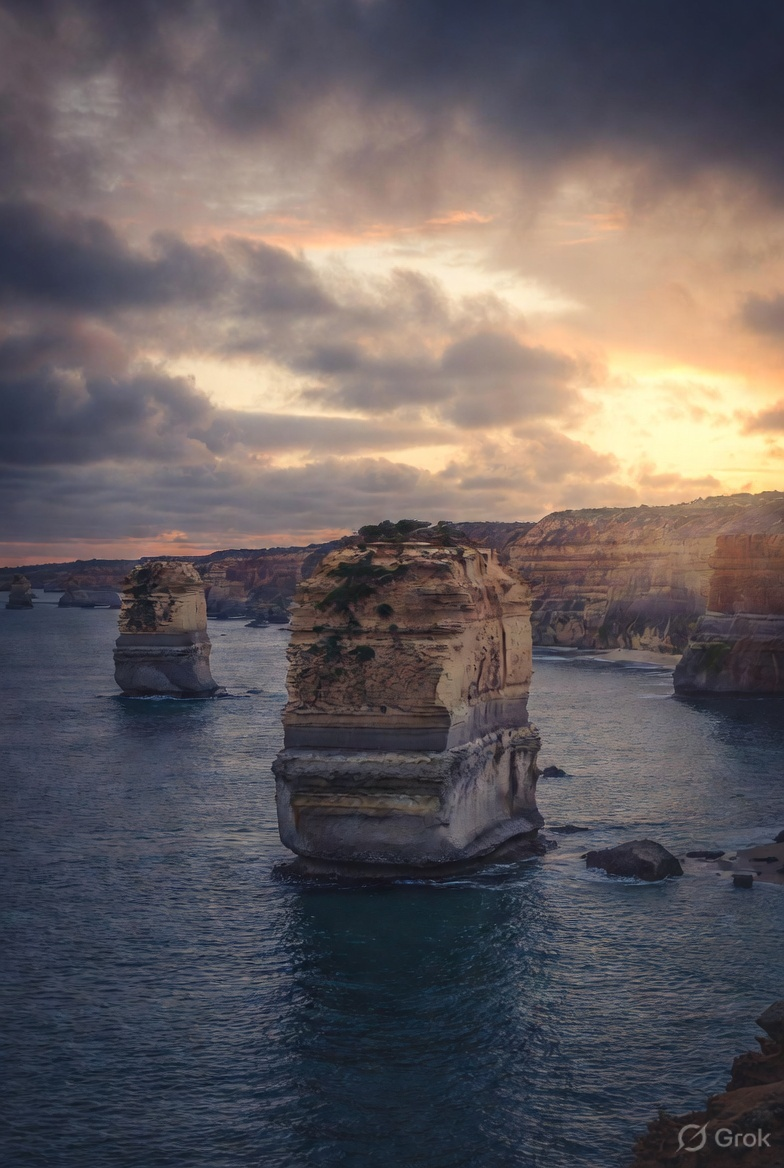
After 15 years of driving the Great Ocean Road and watching thousands of our guests photograph the 12 Apostles, we’ve learned a thing or two about what makes these limestone giants truly shine through a camera lens.
Whether you’re joining us on our Great Ocean Road day trip from Melbourne or exploring independently, these photography tips will help you capture the magic of Victoria’s most iconic coastal landmark.
Understanding the Light: Timing Is Everything
The 12 Apostles face west, which creates unique lighting challenges and opportunities throughout the day. On our Great Ocean Road tour from Melbourne, we time our arrival to maximize your photographic opportunities, but understanding the light will transform your images regardless of when you visit.
Morning light (7am–10am) offers soft, diffused illumination that reduces harsh shadows on the limestone stacks. The Apostles glow with a warm golden tone, and the ocean typically shows calmer conditions—perfect for those mirror-like reflections in rock pools at the beach level if tide permits.
Midday (11am–2pm) presents the harshest light. Direct overhead sun creates strong shadows in the cliff faces and washes out detail. If you’re shooting during these hours, use a polarizing filter to cut glare from the water and enhance the blue tones of the ocean. We often time lunch at Apollo Bay during this period on our small group tours, returning to the Apostles when conditions improve.
Golden hour (one hour before sunset) is absolutely magical. This is when the limestone stacks genuinely glow orange and gold. The angled light reveals every texture in the rock face, and the contrast between the warm cliffs and cool ocean creates stunning visual drama. As one of our recent guests remarked, “The 12 Apostles at sunset was magical”—and we couldn’t agree more.
Weather tip: Don’t dismiss overcast days. Dramatic storm clouds can create moody, ethereal images that rival sunny shots. The Shipwreck Coast earned its name from volatile weather, and that same drama translates beautifully to photographs.
Camera Settings for Coastal Photography
You don’t need professional equipment to capture stunning 12 Apostles photographs, but understanding a few key settings will elevate your images significantly.
Aperture: Use f/8 to f/11 for landscape shots where you want both foreground rocks and distant Apostles in sharp focus. If you’re photographing a single stack with artistic intent, try f/4 to blur the background ocean.
Shutter speed: Fast shutter speeds (1/500s or faster) freeze wave action and spray. Slower speeds (1/4s to 2s) blur the water into a silky mist—gorgeous for that dreamy, ethereal look. You’ll need a tripod for anything slower than 1/60s.
ISO: Keep it low (100–400) to minimize grain and maximize detail in those ancient limestone textures. The bright coastal environment usually provides ample light even on overcast days.
Exposure compensation: The bright sky and reflective water often fool camera meters. Dial in +0.3 to +0.7 exposure compensation to prevent your Apostles from appearing as dark silhouettes.
Smartphone users: Use HDR mode to balance bright skies with shadowed cliff faces. Tap on the Apostles themselves to set focus and exposure, then lock it before reframing your shot.
Composition Techniques That Work
The viewing platforms at the 12 Apostles can get crowded during peak season, but our small group Great Ocean Road tours (maximum 11 passengers) mean you’ll always get to the front for unobstructed shots. Here’s how to make the most of your position.
The rule of thirds: Place the horizon on either the top or bottom third line—not dead center. Position the most prominent Apostle stack on a vertical third line. This creates more dynamic, professional-looking compositions than centered subjects.
Foreground interest: Include weathered coastal vegetation, rugged cliff edges, or rock textures in your foreground. This adds depth and scale, showing just how massive these formations truly are. From the platform, lean slightly forward (safely!) to incorporate the railing or viewing deck edge as a leading line.
Multiple perspectives: Don’t just shoot from the main viewing platform. The path offers various vantage points—explore them all. Some of the best shots come from slightly elevated positions that show the relationship between multiple stacks and the coastline.
Portrait orientation: While landscapes feel natural for coastal scenes, try vertical shots. Portrait orientation emphasizes the height of the Apostles and can create striking images, especially when you include dramatic clouds above.
Scale indicators: Include people, birds, or boats in your frame to show the true enormity of these 45-meter-high formations. Without scale references, viewers can’t appreciate their massive size.
Beyond the Main Viewing Platform
The 12 Apostles viewing area is just the beginning. Our Great Ocean Road small group tour includes several additional stops that offer equally photographic opportunities along this spectacular coastline.
Gibson Steps: If conditions allow beach access, descending to sand level puts you at the base of the Apostles. The perspective from below is humbling and creates unique compositions impossible from above. Shoot upward to emphasize their towering presence, and watch for wave spray catching golden light.
The Gorge at Port Campbell: This narrow inlet creates beautiful layered compositions with sedimentary rock walls framing turquoise water. The protected nature of the gorge often means calmer water perfect for long exposures.
London Arch: The natural bridge photograph beautifully with the arch framing distant ocean views. Time your visit when the sun backlights the arch for dramatic silhouettes.
Loch Ard Gorge: Named after the famous 1878 shipwreck, this sheltered beach offers intimate coastal scenes quite different from the grand Apostles vista. The canyon walls create interesting light patterns, especially in morning hours.
Each stop on our tour is chosen for its unique photographic character. We build in time at each location so our guests can experiment with different angles and lighting conditions rather than rushing through a checklist.
Essential Gear and Practical Tips
Bring a microfiber cloth: Salt spray and sea mist will constantly attack your lens. Keep it handy for frequent cleaning.
Polarizing filter: Cuts water glare, enhances blue skies, and makes clouds pop. One of the most valuable investments for coastal photography.
Spare batteries: Cold ocean winds drain batteries faster than you’d expect. Keep a spare in an inside pocket where body heat keeps it warm.
Protect your equipment: The salt-laden ocean air is corrosive. Never leave gear exposed when you’re not actively shooting. If you’re using a tripod near the beach, rinse the legs with fresh water afterward.
Comfortable footwear: The best photography spots often require walking along viewing platforms and paths. Our Great Ocean Road day trip includes considerable gentle walking—comfortable shoes are essential.
Weather layers: Coastal conditions change rapidly. Even summer days can bring cold winds at the clifftops. Dress in layers so you can stay comfortable during longer shooting sessions.
Memory cards: Bring more capacity than you think you’ll need. The 12 Apostles inspire hundreds of shots as you experiment with different techniques and angles.
On our tours, we stop at various locations along the 243-kilometer Great Ocean Road, including a lunch break at Apollo Bay. This gives you multiple opportunities to photograph different coastal formations and landscapes throughout the day, building a diverse portfolio rather than just one location.
Making the Most of Your Great Ocean Road Tour
The journey between Melbourne and the 12 Apostles spans approximately 350 kilometers round trip. Departing from Melbourne CBD at 7:00am, we time our route to arrive at the Apostles during optimal lighting conditions while building in photographic opportunities at locations like Bells Beach (the world-famous surf break and Point Break filming location), charming Lorne township, and the Erskine Falls.
Our small group size means we can be flexible. If conditions are particularly spectacular at a location, we can extend the stop. If you’re passionate about photography, let your guide know—we love working with enthusiasts to help capture the perfect shot.
The full-day experience includes morning tea, lunch at Apollo Bay, and all national park entry fees. We return to Melbourne via the inland route, typically arriving around 9:00pm, giving you a full day of photographic opportunities along one of the world’s most spectacular coastal drives.
Frequently Asked Questions
What’s the best time of year to photograph the 12 Apostles?
Each season offers different photographic opportunities. Summer (December–February) provides the most reliable weather and warmest temperatures, though it’s also the busiest period. Winter (June–August) brings dramatic weather, moody skies, and far fewer crowds—perfect for atmospheric shots. Autumn and spring offer mild conditions with excellent light quality. We operate our Great Ocean Road tour year-round, as each season reveals different character in the landscape.
Can I use a drone to photograph the 12 Apostles?
Drones are prohibited in the Port Campbell National Park without special permits. The 12 Apostles are in a protected area where drone use is strictly regulated due to wildlife conservation and visitor safety. Stick to ground-based photography—there are stunning angles available from the official viewing areas.
How long do we have at the 12 Apostles on your tour?
We allocate approximately 45–60 minutes at the 12 Apostles viewing area, giving you ample time to explore different vantage points, experiment with various photographic techniques, and simply absorb the spectacular scenery. This is significantly longer than many larger bus tours that rush through. Our small group format means you’re never waiting for dozens of people to finish taking photos.
Ready to capture your own stunning images of the 12 Apostles and the Great Ocean Road? Our small group tour from Melbourne includes hotel pickup from Melbourne CBD, all entry fees, lunch, and the expertise of local guides who know exactly where and when to stop for the best photographs.
Book your Great Ocean Road day trip at melbournegrouptours.com.au — departing daily at 7:00am, with tours limited to just 11 guests for a personalized experience.